Wind, Sun, and Terrain: How Nature Shapes Your Building Site

Wind, Sun, and Terrain: How Nature Shapes Your Building Site
When planning to build a home, it’s easy to focus on design, materials, and budget. But the natural forces around your property—wind, sunlight, and terrain—play just as big a role in how your home will feel and function. Understanding these elements can help you create a house that’s comfortable, energy-efficient, and in harmony with its surroundings. Here’s how to make nature your guide when shaping your building site.
The Sun’s Path – Your Key to Light and Warmth
The sun’s movement across the sky determines how much natural light and heat your home receives. In the U.S., the sun rises in the east and sets in the west, traveling across the southern sky. That means orientation matters.
- South-facing windows capture the most sunlight and warmth, ideal for living rooms and family spaces where you want a bright, inviting atmosphere.
- North-facing rooms receive cooler, more consistent light—perfect for storage, bathrooms, or utility areas.
- East-facing windows bring in gentle morning light, great for bedrooms and kitchens.
- West-facing windows catch the afternoon sun, which can be pleasant in winter but may cause overheating in summer unless shaded.
By designing with the sun’s path in mind, you can reduce your need for artificial lighting and heating while creating a naturally comfortable home.
Wind Direction – Comfort and Energy Efficiency
Wind can be both a friend and a challenge. In much of the U.S., prevailing winds come from the west or northwest, though local patterns vary. Knowing your site’s wind behavior helps you plan for comfort and energy savings.
- Use your home as a windbreak. Position the building or landscaping to block cold winter winds and create sheltered outdoor areas.
- Encourage natural ventilation. Windows placed opposite each other can promote cross-breezes, reducing the need for air conditioning on hot days.
- Choose roof shapes and materials wisely. In windy regions, a low-pitched roof with durable materials can better withstand gusts and storms.
By working with the wind instead of against it, you’ll enjoy a home that’s more stable, efficient, and pleasant year-round.
Terrain – More Than Just a View
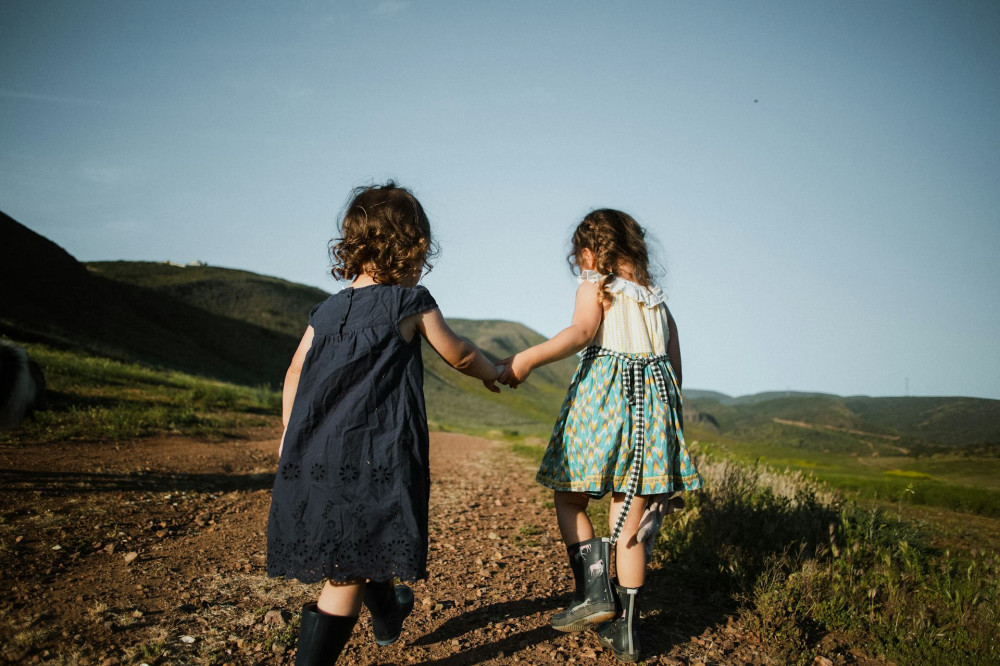
The shape of your land affects not only how your home looks but also how it performs. A sloped lot can offer dramatic design opportunities, but it also requires careful planning for drainage, access, and stability.
- Follow the land’s contours. Split-level or terraced designs can make the most of elevation changes while blending naturally into the landscape.
- Plan for water flow. Ensure the ground slopes away from your foundation, and consider rain gardens, swales, or permeable surfaces to manage runoff.
- Preserve natural features. Mature trees, rock outcroppings, and native vegetation can add character, shade, and ecological value to your property.
A home that respects its terrain feels more grounded—literally and visually—and often has a smaller environmental footprint.
Microclimate and Surroundings
Even small variations in your surroundings can create a unique microclimate. Nearby hills, bodies of water, or neighboring buildings can influence temperature, humidity, and wind patterns.
Spend time observing your site throughout the day and across seasons. Where does the morning dew linger? Which areas stay windy or shaded? These details can guide where to place patios, entrances, and windows for maximum comfort and usability.
Læs også:
Let Nature Be Your Partner
Designing with nature isn’t just about efficiency—it’s about quality of life. A home that responds to the sun, wind, and land feels balanced and alive. It uses natural resources wisely and offers comfort that changes gracefully with the seasons.
When planning your building site, let nature be your first consultant. It will show you how to create a home that stands strong, looks beautiful, and feels right—today and for generations to come.
Læs også: