Maintain Your Home Regularly – and Save Money on Repairs


Maintain Your Home Regularly – and Save Money on Repairs
A home needs ongoing care to stay safe, comfortable, and valuable. Many homeowners wait until something breaks before taking action—but that approach can quickly become expensive. Regular maintenance helps prevent damage, extends the life of materials, and saves you significant money on repairs. Here’s how a few simple routines can keep your home in great shape all year long.
Small Problems Become Big Ones—If You Ignore Them
A dripping faucet, a cracked shingle, or a bit of peeling paint might not seem urgent. But small issues can turn into major repairs if left unchecked. Water damage, mold, and rot are common results of neglect—and they can cost thousands of dollars to fix.
The key is to act early. Spending half an hour tightening a screw, sealing a gap, or cleaning a drain can prevent a problem that would otherwise require contractors and a hefty bill.
Create an Annual Maintenance Plan
A good way to stay on top of things is to make a yearly schedule for inspecting different parts of your home. That way, maintenance becomes a natural part of your routine—not something you only think about when trouble strikes.
- Spring: Inspect the roof for loose shingles, clean gutters, and check for water damage after winter storms.
- Summer: Paint or stain exterior wood, trim trees and shrubs away from the house, and check windows and doors for air leaks.
- Fall: Clean gutters again, test sump pumps, and make sure water drains away from your foundation.
- Winter: Monitor indoor humidity, prevent condensation, and have your heating system serviced to ensure it runs efficiently.
By spreading tasks throughout the year, you make them more manageable and prevent small issues from piling up.
Watch Out for Moisture—Your Home’s Biggest Enemy
Moisture is behind many of the most serious home problems in the U.S. It can enter through roof leaks, cracks in siding, or poor drainage around the foundation. Indoors, inadequate ventilation can lead to mold and poor air quality.
Keep an eye out for dark spots, musty odors, or peeling paint. Make sure bathrooms and kitchens are well ventilated, and fix leaks promptly. A dehumidifier or moisture meter can be a smart investment, especially for basements or attics.
Maintain Your Home’s Systems
Your home’s systems—plumbing, electrical, and HVAC—also need attention. A furnace that isn’t serviced regularly uses more energy and wears out faster. A leaky faucet can waste gallons of water a day, and outdated wiring can pose a safety hazard.
Have professionals inspect these systems periodically, and follow manufacturer recommendations for maintenance. It may cost a little now, but it can save you from major expenses and headaches later.
Læs også:


Do It Yourself—But Know Your Limits
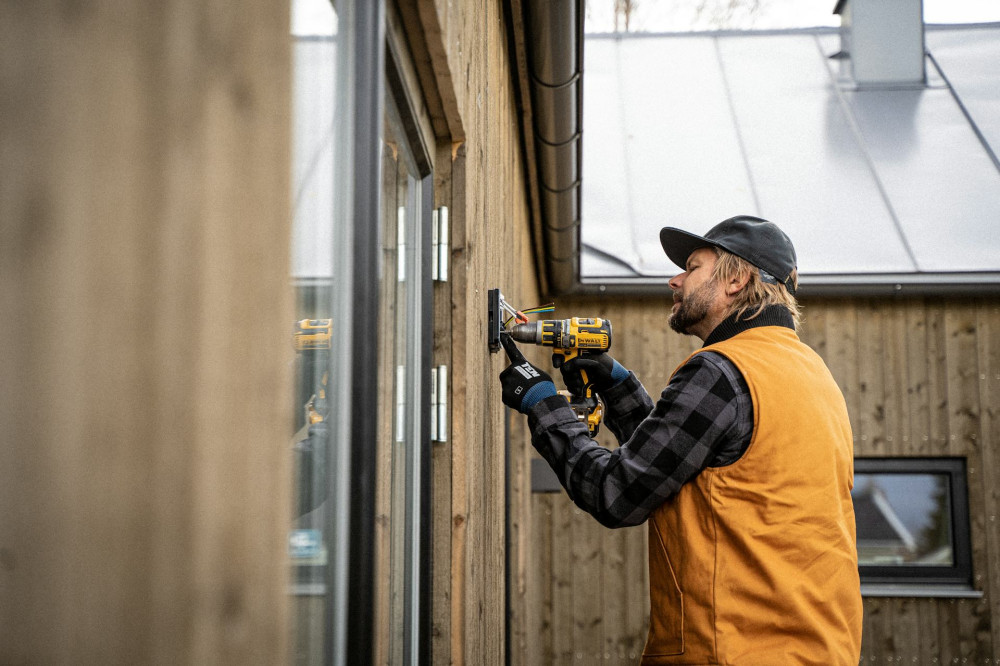
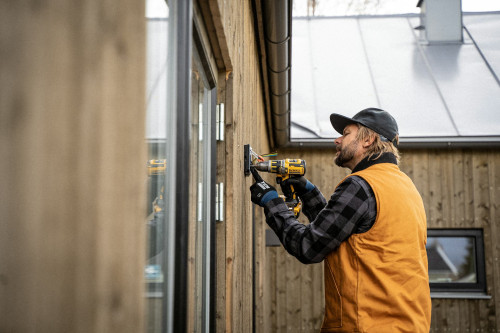
Many maintenance tasks are easy to handle yourself: painting, cleaning gutters, replacing caulk, or lubricating hinges. With a bit of time and the right tools, you can accomplish a lot. But it’s also important to know when to call in a pro.
Electrical work, gas lines, and major plumbing jobs should always be handled by licensed professionals. It’s not just about safety—it’s also about protecting your insurance coverage if something goes wrong.
Maintenance Adds Value to Your Home
A well-maintained home isn’t just pleasant to live in—it’s also a smart investment. Buyers notice when a roof, siding, and windows are in good condition. A home that’s been cared for over time looks more appealing and can sell faster and for a higher price.
Regular maintenance also gives you peace of mind. You’ll avoid sudden expenses and can plan improvements on your own schedule.
A Small Effort with a Big Payoff
Home maintenance is really about taking responsibility for your property—one step at a time. It doesn’t require huge investments, just consistent attention. An hour here and there can make the difference between a healthy home and a costly repair.
So grab your calendar, make a plan, and start with the most pressing tasks. Your future self—and your wallet—will thank you.
Læs også: