How to Plan a Civil Funeral with Both Dignity and Warmth

How to Plan a Civil Funeral with Both Dignity and Warmth
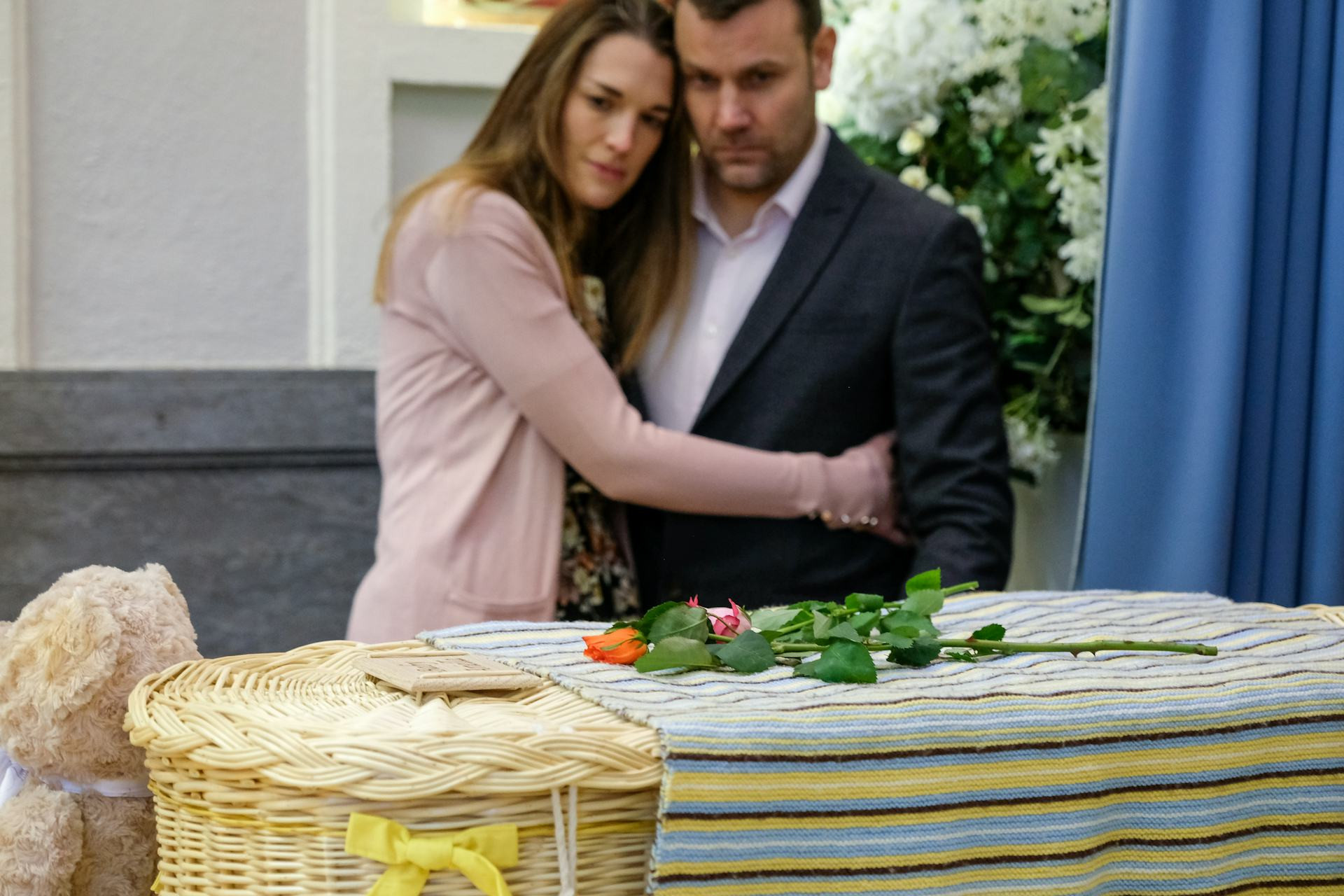
A civil funeral offers the chance to create a deeply personal and meaningful farewell—without the formal structure of a religious service. It allows you to shape the ceremony so it reflects the life, values, and wishes of the person who has passed. Yet, that freedom can also make planning feel overwhelming. How do you ensure the ceremony feels both dignified and heartfelt? Here’s a guide to planning a civil funeral with care, respect, and warmth.
What Is a Civil Funeral?
A civil funeral is a non-religious ceremony that focuses on honoring the life of the deceased rather than following religious traditions. It can take place almost anywhere—at a funeral home, a community center, a crematorium chapel, outdoors, or even at home. Instead of a clergy member, the ceremony is usually led by a celebrant, a family member, or a close friend.
The purpose is the same as any farewell: to remember, to grieve, and to celebrate a life. The difference lies in the freedom to choose the tone, structure, and content that feel most authentic.
Begin with Conversation and the Deceased’s Wishes
If your loved one expressed specific wishes for their funeral, those should guide your planning. These might include preferences for burial or cremation, music, readings, or the location of the ceremony. If no wishes were shared, take time to reflect on what would have felt right for them.
Talk with close family and friends. What mattered most to the person you’re honoring? What memories or values should be reflected in the ceremony? These conversations can bring clarity and a sense of unity during a difficult time.
Choosing the Right Setting
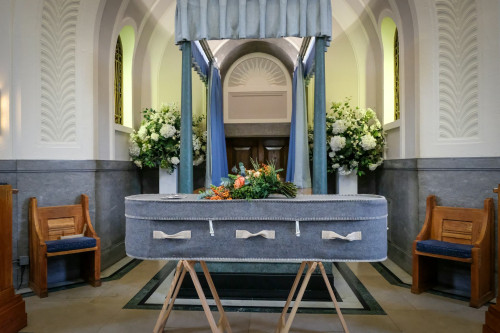
The location sets the tone for the entire farewell. Civil funerals can be held in a variety of places:
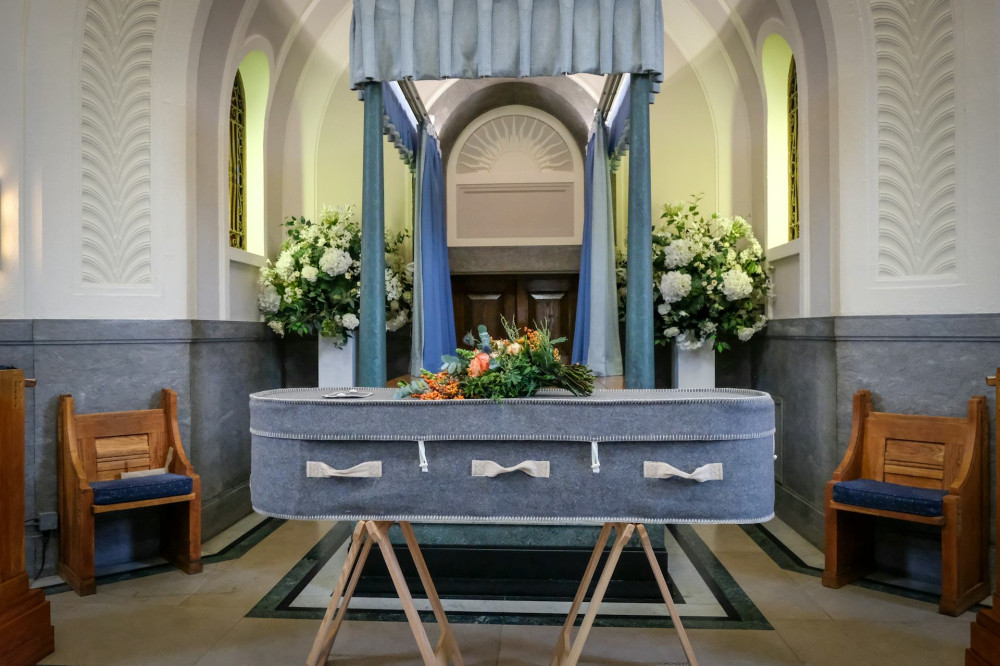
- Funeral home or crematorium chapel – offers a calm, neutral setting with professional support for logistics.
- Community or event space – ideal for a larger gathering or a more informal atmosphere.
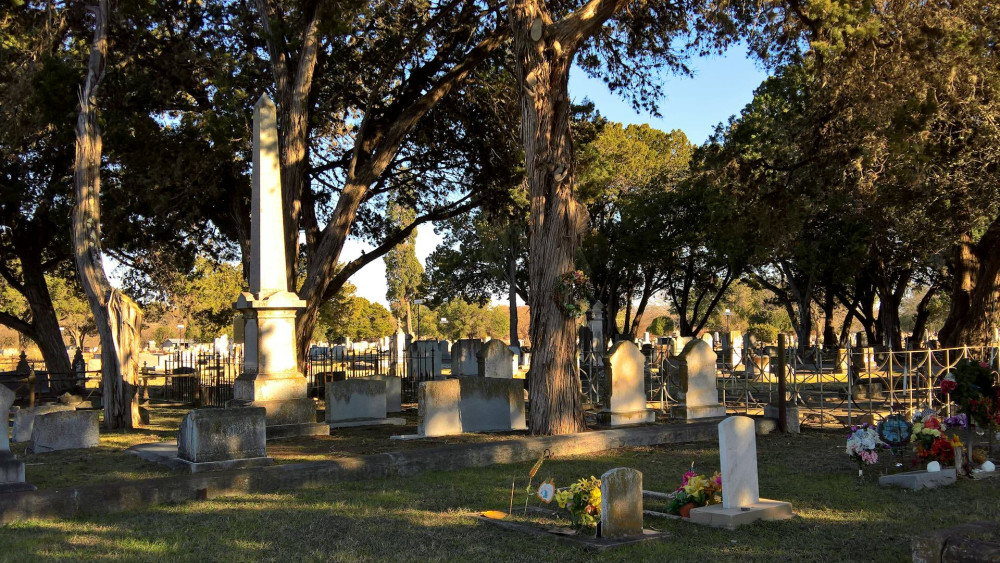
- Outdoors – a garden, park, beach, or forest can provide a serene and natural backdrop, though you may need permission.
- At home – an intimate option that allows for a deeply personal and familiar environment.
Consider how the setting reflects the personality of your loved one and provides comfort for those attending.
Structuring the Ceremony
While a civil funeral doesn’t follow a fixed order, having a clear structure helps the event flow smoothly. A typical ceremony might include:
- Welcome and introduction – a few words from the celebrant or host.
- Music or song – selections that held meaning for the deceased or the family.
- Tribute or eulogy – stories and reflections on the person’s life and character.
- Personal contributions – readings, letters, or memories shared by family and friends.
- Closing and farewell – a final moment of reflection, music, or symbolic gesture.
The most important thing is that the ceremony feels genuine and true to the person being remembered.
Music and Words That Matter
Music often plays a powerful role in a civil funeral. It can evoke memories, express emotion, and create moments of stillness or connection. Choose pieces that hold personal significance—whether classical, folk, contemporary, or instrumental.
When it comes to words, you might include poems, quotations, or original writings. Many families choose to write a personal tribute that captures the essence of their loved one’s life. It doesn’t have to be perfect—what matters most is sincerity.
Læs også:
Practical Considerations
There are several practical decisions to make when planning a civil funeral:
- Burial or cremation – decide which option best fits your loved one’s wishes.
- Funeral director – most families work with a funeral home to handle transportation, paperwork, and arrangements.
- Announcements and invitations – consider how you’ll inform others, whether through an obituary, social media, or personal messages.
- Flowers and décor – choose arrangements that reflect the season or the person’s favorite colors.
- Reception or gathering – many families host a meal or coffee hour afterward to share memories and support one another.
A funeral director or celebrant can guide you through these details, but you can also take an active role in shaping the event.
Creating Meaning Through Symbolism
Small symbolic gestures can bring depth and comfort to the ceremony. Lighting candles, placing flowers, releasing petals, or playing a favorite piece of music can all serve as powerful expressions of love and remembrance.
You might also invite guests to participate—by writing messages, sharing memories, or contributing to a memory book. These shared acts foster connection and make the farewell more personal.
After the Ceremony – Time for Reflection
When the ceremony ends, the grieving process continues. Many people find that the days and weeks afterward are when emotions truly surface. Give yourself and others time to rest, reflect, and talk about the experience. Discuss what felt meaningful and how you might continue to honor your loved one’s memory.
Consider creating ongoing traditions—a memorial gathering, planting a tree, or assembling a photo album. These small rituals can help keep the connection alive.
A Farewell with Both Sorrow and Gratitude
A civil funeral isn’t about the absence of faith—it’s about the presence of humanity. It’s an opportunity to say goodbye in a way that feels authentic, respectful, and full of love. With thoughtful planning and a focus on what truly mattered to your loved one, you can create a ceremony that honors their life with both dignity and warmth—a farewell that brings comfort and lasting memories to all who attend.
Læs også: