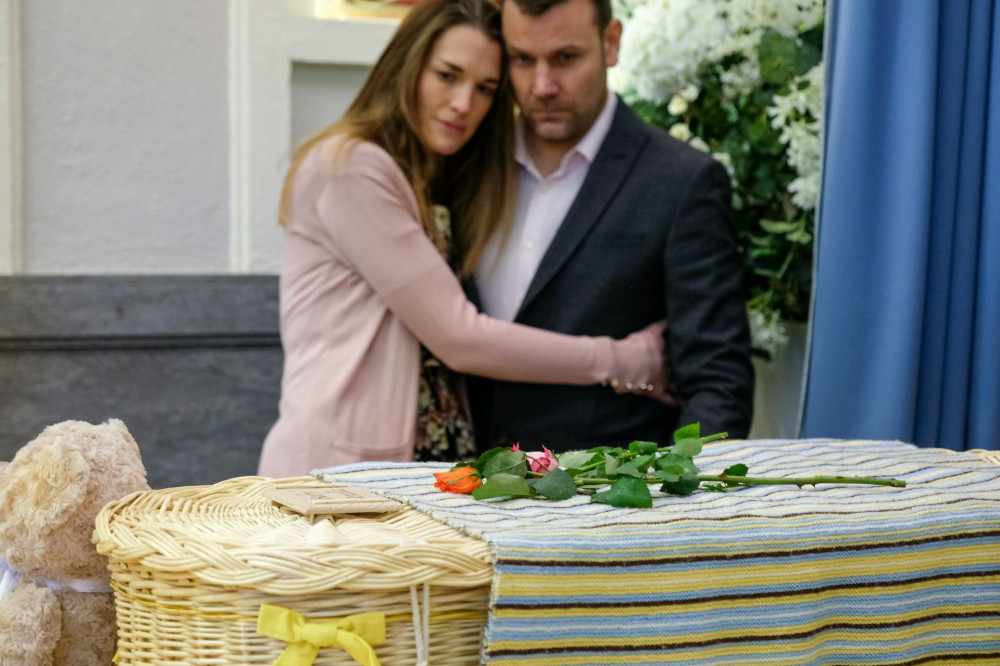
Conversations About Final Wishes – A Path to Peace and Presence


Conversations About Final Wishes – A Path to Peace and Presence
Talking about death is one of life’s most difficult subjects. Yet, conversations about final wishes can bring a deep sense of peace, presence, and understanding—for both the person nearing the end of life and the loved ones who will remain. When we dare to open the conversation, we create space for honesty, love, and clarity. It’s not only about practical decisions, but about finding meaning and comfort in a time that can feel uncertain.
Why These Conversations Matter
Many people postpone talking about death because they don’t want to seem morbid or make their family uncomfortable. But experience shows that the opposite often happens: when wishes are shared openly, everyone feels more at ease.
A conversation about final wishes can include everything from medical care preferences and funeral arrangements to personal values and messages to loved ones. It might also include small but meaningful details—like favorite songs, readings, or who should speak at the service. When these wishes are known, families are spared the burden of guessing, allowing them to focus on being present rather than worrying about what their loved one would have wanted.
How to Begin the Conversation
Finding the right time or words can feel daunting. But often, the most important step is simply to begin—even if it feels awkward at first. Here are a few ways to start:
- Use a natural moment – perhaps after attending a memorial, reading an article, or watching a movie that touches on end-of-life themes.
- Bring warmth and even humor – death doesn’t have to be discussed only in solemn tones; a smile or a story can make the topic more approachable.
- Acknowledge that it’s hard – honesty about discomfort helps everyone feel safer.
- Listen more than you speak – the goal is to understand what matters most to the other person.
Some people choose to write down their wishes in an advance directive, living will, or a personal letter. These documents can be helpful, but the real value lies in the conversation itself—speaking the words aloud and sharing them with those who matter most.
Making It Part of Life
Talking about death is, in many ways, talking about life. What has mattered most? What do we hope others will remember? What values do we want to pass on? When we put these thoughts into words, death becomes not only an ending but also an opportunity to reflect on what has given life its meaning.
Many families find that these conversations bring them closer together. There’s a special kind of intimacy that arises when people are honest about fear, hope, and love. It might happen over coffee at the kitchen table, during a walk in the park, or in a conversation with a chaplain, hospice nurse, or counselor. What matters most is creating time and space to listen.
Læs også:



When the End Draws Near
For someone who is seriously ill, knowing that their wishes are understood and respected can bring great comfort. It might involve decisions about where they want to spend their final days, who they want nearby, or what kind of care feels right. For loved ones, having had these conversations can be a relief—it allows them to focus on being together rather than making rushed decisions in moments of crisis.
These talks can also open the door to meaningful goodbyes: saying thank you, I’m sorry, or I love you. These words can be difficult to speak, but once shared, they often become a lasting source of peace.
A Gift to Those Who Remain
When final wishes are discussed and known, we leave behind more than practical guidance—we leave a message of love and care. It’s a way of taking responsibility for our farewell while giving our loved ones the freedom to grieve without uncertainty.
Talking about death is not giving up on life. On the contrary, it’s a way of honoring life in all its depth and truth. Conversations about final wishes can become a path to peace, presence, and a deeper understanding of what it means to live fully.
Læs også: