Cemeteries as Cultural Heritage: When Local History Becomes Part of Farewell

Cemeteries as Cultural Heritage: When Local History Becomes Part of Farewell
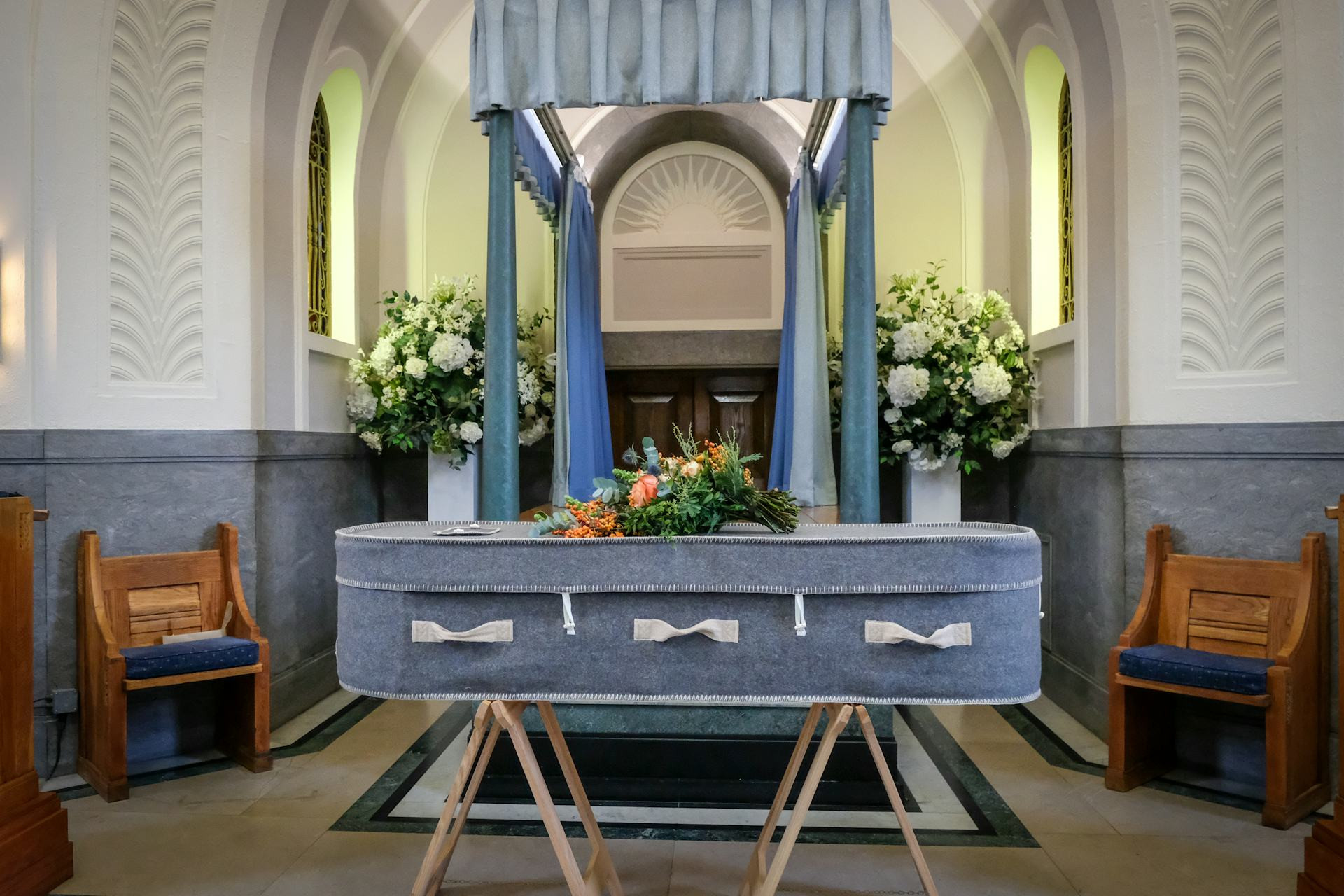
When we visit a cemetery, we often do so to remember someone we have lost. Yet cemeteries are more than resting places—they are living records of community history. They tell stories of faith, migration, craftsmanship, and social change across generations. At a time when cremation, green burials, and other alternatives are becoming more common, it is worth reflecting on how cemeteries also serve as cultural landscapes that connect the past with the present.
The Cemetery as a Mirror of the Community
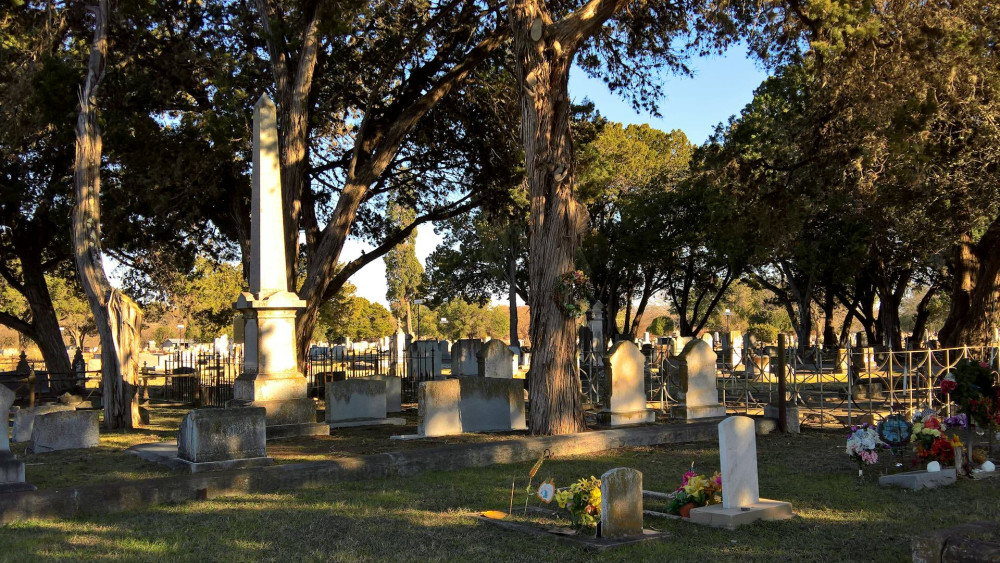
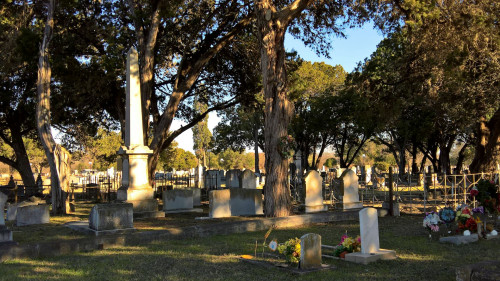
Every cemetery reflects the place it belongs to. The names, symbols, and materials on headstones reveal local traditions, ethnic roots, and the evolution of the surrounding community. In small towns, one can trace family lines stretching back centuries; in urban cemeteries, the diversity of names and languages tells of immigration and cultural blending.
Cemeteries have long been gathering places—not only for mourning but also for remembrance and reflection. They tell us who built the town: farmers, soldiers, teachers, factory workers, and civic leaders. In this way, a cemetery becomes a kind of open-air archive, where each stone bears witness to lives that shaped the local story.
Læs også:
Gravestones as Historical Documents
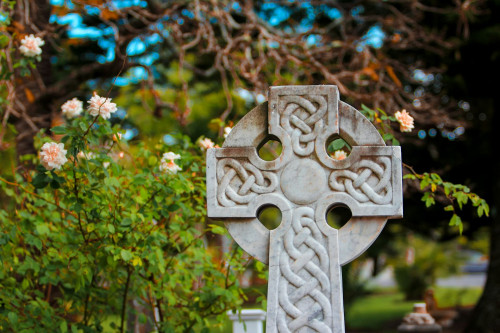
A gravestone is more than a marker—it is a piece of history. Its design, inscription, and symbols reflect the values and aesthetics of its time. In the 19th century, elaborate carvings of angels, hands, or weeping willows were common, each carrying symbolic meaning. Today, simpler designs and personalized engravings often express individuality and contemporary sensibilities.
Across the United States, preservation groups and local historians are working to protect historically significant gravesites. These may include the resting places of veterans, community founders, or artists, as well as stones notable for their craftsmanship or materials. Such efforts help visitors understand how attitudes toward death, memory, and identity have evolved over time.
From Burial Ground to Green Heritage
Cemeteries are also green spaces—quiet sanctuaries within cities and towns. Many contain old trees, native plants, and wildlife habitats. Increasingly, caretakers are balancing heritage preservation with environmental stewardship. Some cemeteries are allowing sections to grow more naturally, encouraging biodiversity and creating peaceful, park-like settings.
This blending of nature and history makes cemeteries places where life and memory coexist. Walking among the graves, one senses both the transience and continuity of human existence—a reminder that remembrance is part of the living landscape.
New Ways of Using and Understanding Cemeteries
As burial practices change, many cemeteries are reimagining their role in community life. Historical tours, art installations, and educational programs invite visitors to engage with the stories embedded in the grounds. Some cemeteries host cultural events or volunteer days focused on restoration and local history.
These initiatives transform cemeteries into spaces not only for farewell but also for learning and connection. They help ensure that these places remain relevant and respected parts of the community fabric.
When Farewell Becomes Part of History
To say goodbye in a cemetery is to step into a larger narrative. The grave we choose becomes part of a landscape where generations before us have found rest. There is comfort in knowing that our own stories will join those of others who shaped the same soil and shared the same sky.
Cemeteries remind us that remembrance is not only about loss—it is also about continuity, belonging, and heritage. By caring for these places, we preserve more than stones and names; we preserve the story of who we are and where we come from.
Læs også: