Plant-Based Inspiration from Global Cuisines

Plant-Based Inspiration from Global Cuisines
Plant-based eating has moved far beyond a passing trend—it’s become a global movement that connects health, sustainability, and culinary creativity. Around the world, cultures have long celebrated vegetables, legumes, grains, and spices as the stars of the table. By drawing inspiration from these traditions, we can discover that plant-based food is anything but boring.
Asian Roots of Plant-Based Cooking
Across Asia, plant-forward meals have been part of daily life for centuries. In India, vegetarian staples like dal (spiced lentil stew) and chana masala (chickpeas in tomato sauce) are beloved comfort foods. The combination of legumes, rice, and aromatic spices creates dishes that are both satisfying and deeply flavorful.
In Japan, the Buddhist culinary tradition of shojin ryori emphasizes simplicity and respect for ingredients. Tofu, seaweed, mushrooms, and seasonal vegetables are prepared in delicate ways that highlight umami—the savory essence of flavor. These dishes remind us that plant-based food can be light, refined, and full of depth.
Læs også:


The Fragrant Flavors of the Middle East
The Middle East offers a treasure trove of plant-based classics that have become favorites around the world. Hummus, falafel, and tabbouleh showcase how chickpeas, bulgur, parsley, and lemon can come together in perfect harmony.
Spices like cumin, coriander, and sumac add warmth and complexity, while olive oil and pomegranate bring brightness. Middle Eastern cuisine shows that with just a few simple ingredients, you can create dishes that are nourishing, festive, and bursting with flavor.
Latin American Color and Energy
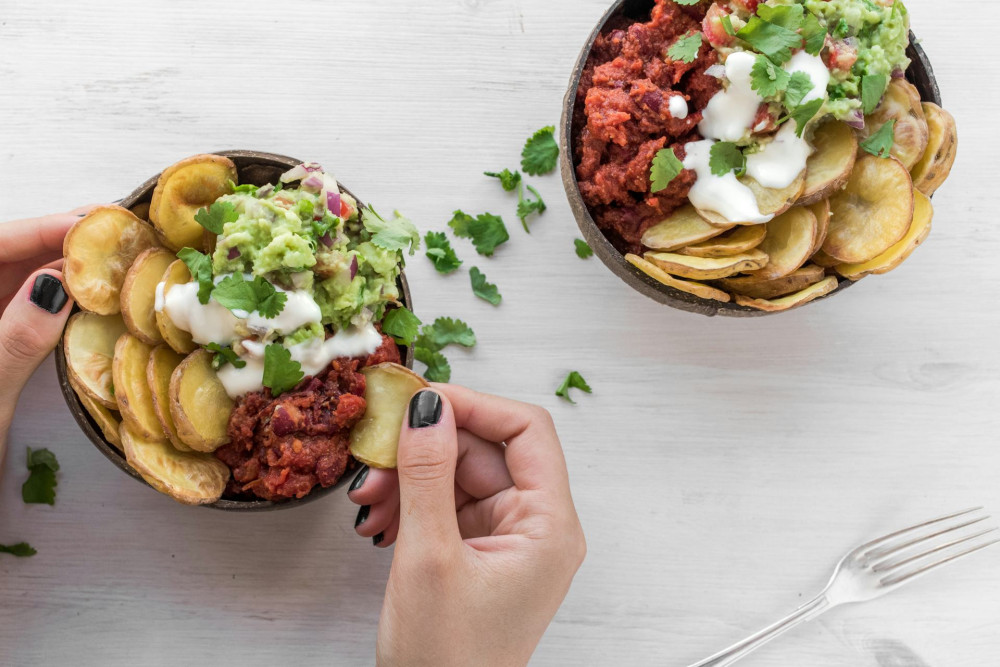
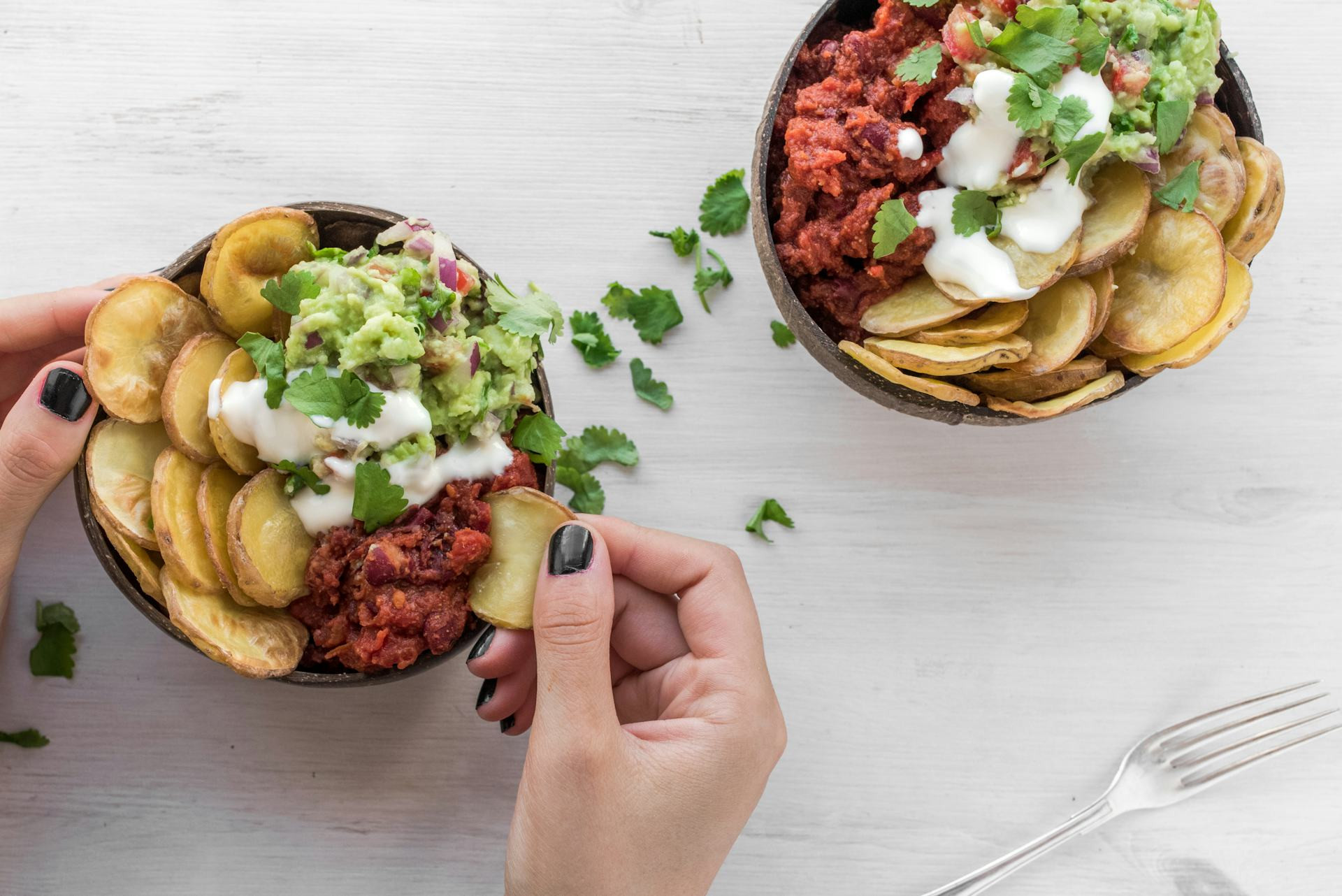
From Mexico to Peru, vegetables and legumes are at the heart of many traditional dishes. Think black bean tacos, mushroom or mango ceviche, and arepas made from cornmeal. These foods celebrate color, texture, and freshness—often using local produce in creative ways.
In Peru, quinoa, sweet potatoes, and chili peppers appear in countless variations, while Mexican cuisine offers salsas that can transform even the simplest meal into a flavor explosion. Latin America reminds us that plant-based food can be vibrant, spicy, and full of life.
Nordic Simplicity and Sustainability
Northern Europe has its own plant-based heritage rooted in simplicity and respect for nature. Grains like rye, hearty root vegetables, cabbage, and berries have long been staples of the Nordic diet. Today, chefs are reimagining these ingredients with a focus on seasonality, local sourcing, and minimal waste.
A dish as simple as roasted beets with lentils and herb dressing can be just as satisfying as a heavy main course. The Nordic approach shows that plant-based eating doesn’t have to be exotic—it’s about seeing familiar ingredients in a new light.
Getting Started
Exploring global plant-based cuisines isn’t about copying recipes exactly—it’s about bringing new ideas and flavors into your own kitchen. Start small:
- Try a new spice blend like garam masala, za’atar, or chipotle.
- Swap meat for lentils, beans, or mushrooms in your favorite dishes.
- Play with textures—crunchy nuts, creamy purées, and fresh herbs add variety.
- Let seasonal produce take center stage instead of being a side dish.
Once you start exploring, you’ll find that plant-based eating isn’t about restriction—it’s about abundance. It’s a journey through flavors, cultures, and traditions, and a way of eating that nourishes both your body and the planet.
Læs også: