Learn to Speak Wine and Food: How to Match Flavors Perfectly

Learn to Speak Wine and Food: How to Match Flavors Perfectly
Pairing wine and food isn’t just about choosing red for meat and white for fish. It’s a language of its own—a conversation between aromas, textures, and moods. When you understand how wine and food interact, you unlock a new level of dining pleasure. Here’s your guide to learning how to “speak” wine and food fluently and create pairings that elevate both the dish and the glass.
The Basics: Balance and Contrast
The key to great wine and food pairing is balance. A light dish calls for a light wine, while a rich, hearty meal needs a wine with more body and structure. But contrast can be just as exciting—a crisp, acidic wine can cut through the richness of a creamy sauce, creating a refreshing balance.
Think of wine and food as two people in conversation: they should complement each other without one overpowering the other. If one “shouts,” you lose the subtlety of the other.
The Building Blocks of Taste
To understand how wine and food work together, it helps to know the basic taste elements:
- Sweetness – found in both food and wine. The wine should always be slightly sweeter than the dish; otherwise, it can taste harsh or sour.
- Acidity – brings freshness and liveliness. Wines with high acidity pair beautifully with fatty or salty foods because they “cleanse” the palate.
- Salt – softens bitterness and enhances fruitiness in wine. That’s why salty foods often pair well with bright, fruity wines.
- Bitterness – common in tannic red wines. Bitterness is amplified by salt and spice, so be cautious pairing tannic wines with spicy dishes.
- Umami – the savory depth found in mushrooms, meats, and aged cheeses. Umami-rich foods need wines with ripe fruit and low tannins; otherwise, the wine can taste sharp or metallic.
Once you can identify these elements, predicting how wine and food will interact becomes much easier.
Læs også:
Classic Pairings—and Why They Work
Some pairings are timeless because they’re built on natural harmony between flavor and structure:
- Red wine and steak – the protein and fat in the meat soften the wine’s tannins, making the wine taste smoother.
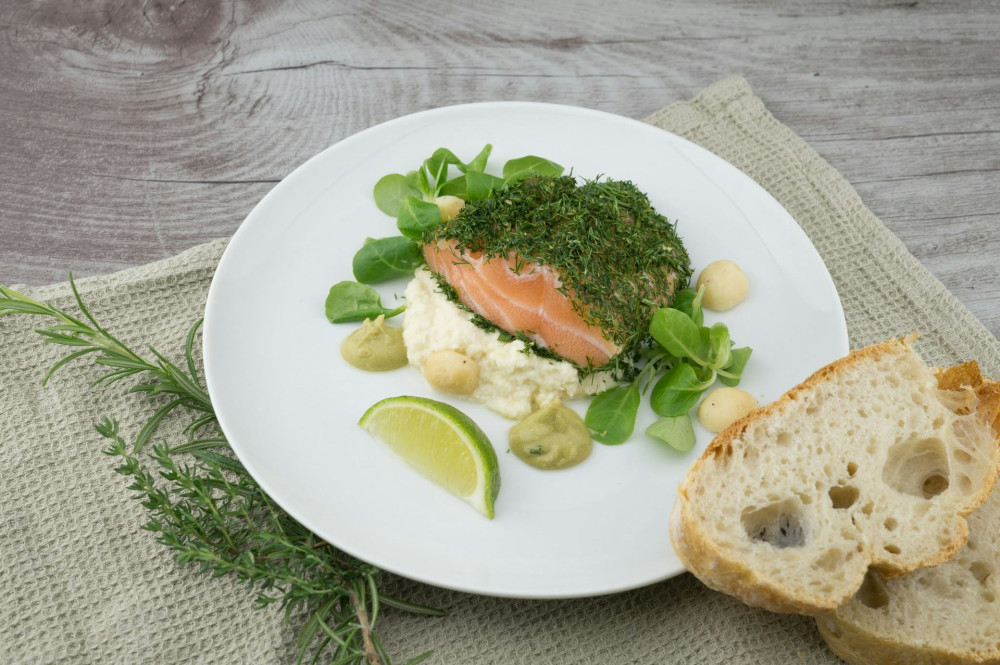
- White wine and seafood – the wine’s acidity highlights the delicate flavors of fish and shellfish.
- Sweet wine and dessert – the wine’s sweetness should match or exceed the dessert’s; otherwise, the wine will seem flat.
- Sparkling wine and salty snacks – the bubbles and acidity cut through salt and fat, creating a refreshing contrast.
When you understand the “why” behind these pairings, you can start experimenting with confidence.
Regional Pairings: Nature’s Logic
A great starting point is to look at what people drink where the food originates. Local wines often evolved alongside local dishes, creating natural harmony:
- Italy: Tomato-based pasta and Chianti – the acidity in both the wine and the tomatoes creates balance.
- France: Duck and Pinot Noir – the wine’s fruit and gentle tannins complement the richness of the meat.
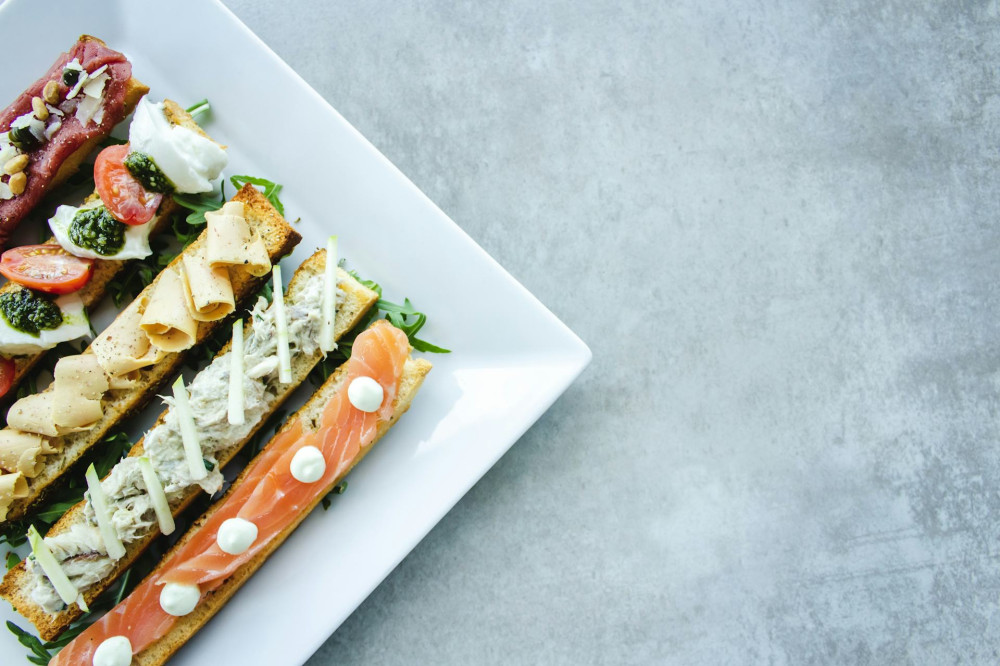
- Spain: Tapas and sherry – the nutty, slightly sweet character of sherry pairs beautifully with a variety of small plates.
- California: Grilled salmon and Chardonnay – the wine’s buttery texture and bright acidity mirror the richness of the fish.
Following this “if it grows together, it goes together” logic often leads to pairings that feel naturally right.
How to Taste with Intention
Becoming skilled at pairing wine and food takes practice. Try tasting consciously—not just eating and drinking. Take a bite of food and notice its qualities: is it rich, salty, tangy, or sweet? Then take a sip of wine and observe how the flavors change.
Experiment: try the same wine with different dishes, or the same dish with different wines. Take notes on what works and what doesn’t. Over time, you’ll start to recognize patterns and develop your own sense of taste.
When to Break the Rules
While there are plenty of guidelines, wine and food pairing is ultimately personal. Some people love red wine with fish; others prefer white wine with chicken. The most important rule is that you enjoy the combination.
Rules are worth knowing—but they’re even more fun to break thoughtfully. That’s how you discover your own style and learn to “speak” wine and food with confidence.
Læs også: