Take Care of Your Body While Traveling – Focus on Movement, Sleep, and Hydration


Take Care of Your Body While Traveling – Focus on Movement, Sleep, and Hydration
Traveling can be exciting, inspiring, and full of new experiences—but it can also take a toll on your body. Long flights, road trips, and changing time zones can leave you stiff, tired, and dehydrated. With a little planning, you can keep your body feeling strong and energized, so you can enjoy your trip to the fullest.
Movement: Small Steps Make a Big Difference
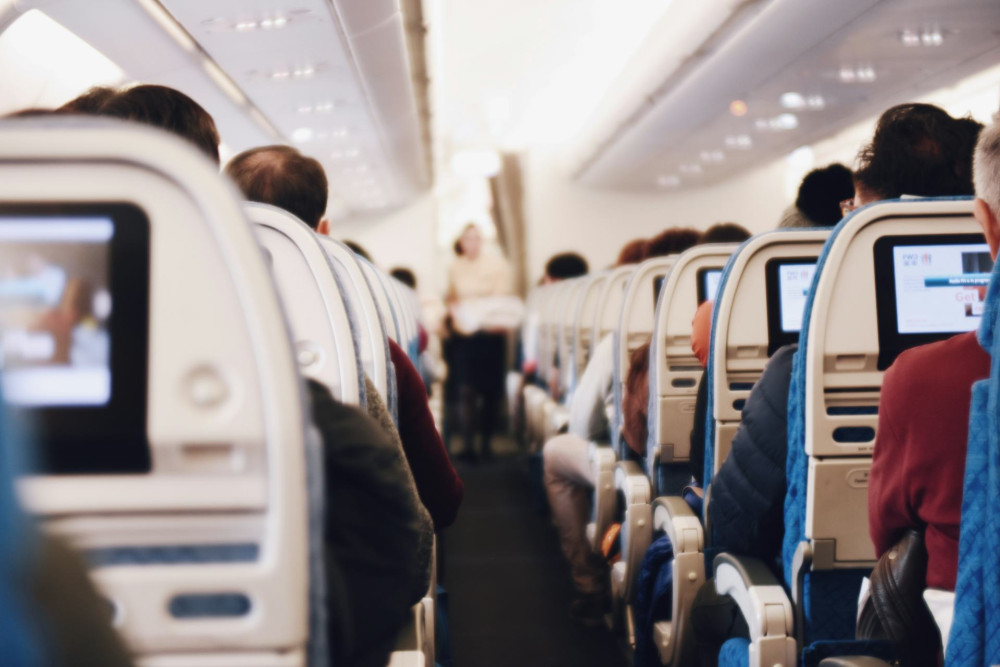
Hours of sitting in a plane, train, or car can cause sore muscles, swollen feet, and even circulation problems. The good news is that you don’t need a gym to stay active while traveling—just a few simple habits.
- Get up regularly – On flights, take short walks up and down the aisle. If you’re driving, plan rest stops to stretch your legs.
- Do simple exercises – Roll your shoulders, stretch your calves, and rotate your ankles to keep blood flowing.
- Use waiting time wisely – Instead of sitting at the gate or in the terminal, walk around or do light stretches.
When you arrive, a short walk outdoors can help your body adjust and shake off that “travel stiffness.” The goal isn’t intense exercise—it’s gentle movement that keeps your body awake and comfortable.
Sleep: Reset Your Rhythm
Sleep is one of the biggest challenges when traveling, especially across time zones. New environments, noise, and irregular schedules can disrupt your rest. Prioritizing sleep helps you stay alert, positive, and ready to explore.
- Prepare ahead – If you’re crossing time zones, gradually shift your bedtime and meal times a few days before departure.
- Create a calm environment – Bring earplugs, an eye mask, and a light blanket to make sleeping on planes or in hotels easier.
- Limit screens and caffeine – Avoid bright screens and coffee in the hours before you plan to sleep.
- Adjust to local time – Once you arrive, try to stay awake until local bedtime to help your body adapt faster.
Short naps can help if you’re exhausted, but keep them brief—too much daytime sleep can make it harder to rest at night.
Hydration: Drink More Than You Think
Airplane cabins and long travel days can quickly lead to dehydration. Even mild dehydration can cause headaches, fatigue, and irritability. Staying hydrated is one of the simplest ways to feel better on the go.
- Sip water regularly – Take small sips throughout the day instead of chugging large amounts at once.
- Go easy on coffee and alcohol – Both can dehydrate you, especially during flights.
- Bring a refillable bottle – Most U.S. airports have water refill stations past security, making it easy to stay hydrated.
If you’re traveling somewhere hot, combine water with light meals and water-rich foods like fruit and vegetables. Your body will thank you.
Listen to Your Body and Take Breaks
Travel often means packed schedules and constant activity, but rest is just as important as sightseeing. Build in quiet moments to stretch, breathe deeply, or simply relax.
If you feel tension building, a warm shower, gentle yoga, or a quick self-massage can help you reset. Finding balance between movement and rest ensures you return home refreshed—not worn out.
Læs også:



A Healthy Trip Starts with Awareness
Taking care of your body while traveling isn’t about strict routines—it’s about small, mindful choices. Movement, sleep, and hydration are three simple pillars that can make your journey more comfortable and enjoyable.
When you listen to your body and give it what it needs, travel becomes more than just getting from one place to another—it becomes a healthier, more rewarding experience.
Læs også: