Luck or Skill? Understanding the Difference Between Casino Game Types

Luck or Skill? Understanding the Difference Between Casino Game Types
When you step into a casino—whether it’s a glittering resort in Las Vegas or an online platform on your phone—you’re greeted by flashing lights, ringing sounds, and endless possibilities. But behind the excitement lies an important distinction: some games rely almost entirely on luck, while others reward skill and strategy. Understanding this difference can make your gaming experience more enjoyable and help you choose the games that best fit your style and mindset.
Games of Chance – When Luck Rules the Table
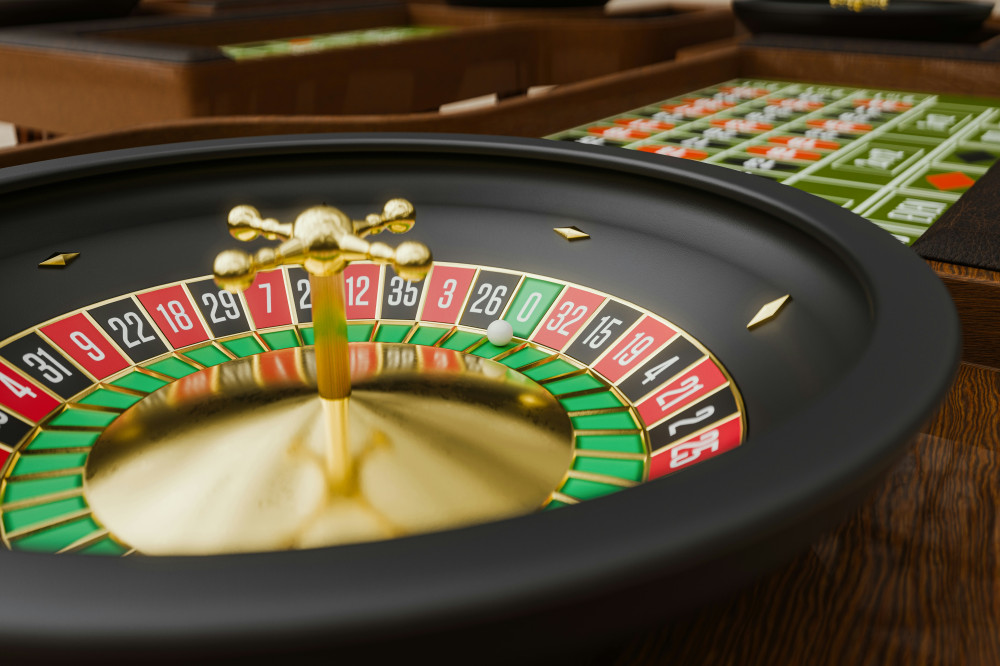
Classic casino favorites like roulette, slot machines, and lotteries are examples of games where outcomes are determined by pure chance. No matter how much you study patterns or try to predict results, you can’t influence what happens next.
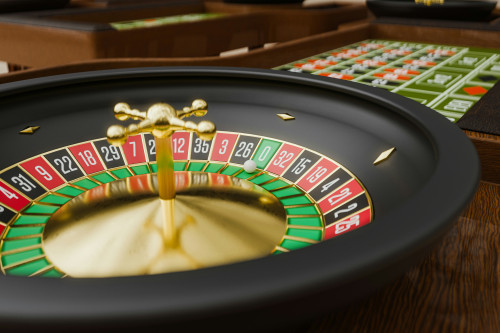
- Roulette: Once the wheel spins, the ball lands where it lands—no strategy can change that.
- Slot machines: Each spin is independent, and results are determined by a random number generator.
- Keno and lotteries: Winning numbers are drawn at random, leaving everything up to luck.
These games are popular because they’re easy to learn and offer instant excitement. They provide the thrill of big wins with minimal effort—but also the risk of losses that no amount of skill can prevent.
Games of Skill – Where Strategy Matters
On the other end of the spectrum are games like poker, blackjack, and certain forms of sports betting, where your decisions and experience can influence the outcome.
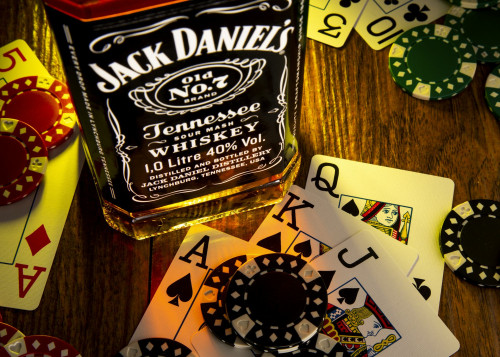
- Poker: It’s not just about the cards you’re dealt, but how you play them. Reading opponents, bluffing effectively, and calculating odds are key to success.
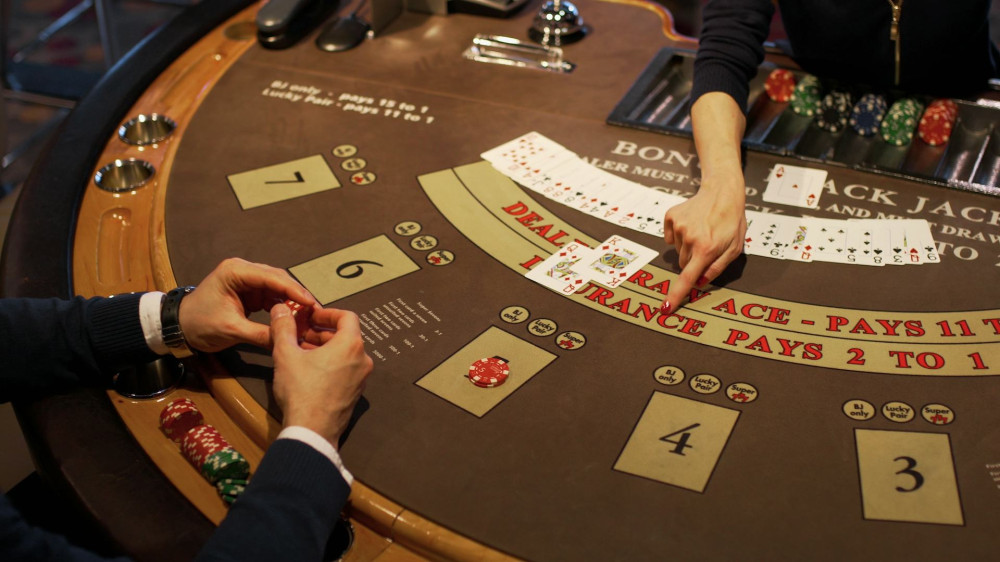
- Blackjack: While the cards are random, using basic strategy and understanding probabilities can improve your chances.
- Sports betting: Analyzing teams, players, and statistics can give you an edge—though unpredictable events can still change the game.
These games attract players who enjoy the challenge of making tactical choices rather than relying solely on luck. They require patience, practice, and a solid grasp of probability.
The Psychology of Luck and Skill
The difference between luck and skill isn’t just mathematical—it’s psychological. Games of chance deliver a rush of unpredictability, which is part of their appeal. Skill-based games, on the other hand, offer a sense of control and accomplishment when your strategy pays off.
However, there’s a common trap: the illusion of control. Even in luck-based games, players sometimes believe they can influence outcomes—like thinking a slot machine is “due” for a payout. Recognizing the true nature of each game helps maintain realistic expectations and prevents frustration or overconfidence.
Blending Luck and Skill
Many modern casino games combine elements of both luck and skill. Video poker, for example, involves random card draws but also allows players to make strategic decisions about which cards to hold. Similarly, fantasy sports and e-sports betting mix statistical analysis with unpredictable outcomes.
This hybrid approach makes games more dynamic and appealing to a wide range of players—those who crave excitement and those who enjoy applying knowledge and strategy.
Læs også:
Responsible Gaming – No Matter the Type
Whether you play for fun or for the challenge, it’s essential to remember that the house always has an edge. Casino games should be viewed as entertainment, not as a way to make money. Set limits on your time and spending, and take breaks if the game starts to feel overwhelming.
Understanding the balance between luck and skill can help you choose games that match your personality and goals—while keeping the experience enjoyable, balanced, and responsible.
Læs også: