Future Products: When Functionality Meets Environmental Responsibility

Future Products: When Functionality Meets Environmental Responsibility
For decades, product development has focused on making things faster, smarter, and more convenient. But as climate change and resource scarcity become pressing global issues, a new expectation has emerged: products must not only perform well—they must also be sustainable. The products of the future will be created at the intersection of technology, design, and environmental responsibility.
From Consumption to Circularity
In the past, product development often followed a linear model: we produce, use, and discard. Today, many companies are shifting toward a circular economy, where materials are reused and products are designed to last longer.
Electronics manufacturers, for example, are developing modular devices that allow individual components to be replaced instead of discarding the entire product. This approach reduces waste and the demand for new raw materials. It also empowers consumers, giving them the ability to upgrade their devices as technology evolves rather than buying new ones.
Materials That Matter
The choice of materials is one of the biggest factors in a product’s environmental footprint. Designers of the future are increasingly turning to bio-based, recycled, and biodegradable materials.
Plastics made from corn starch, fabrics woven from recycled ocean nets, and building materials derived from hemp or mycelium are just a few of the innovations gaining traction. These materials combine functionality with a lower carbon footprint—proving that sustainability and quality can go hand in hand.
Læs også:


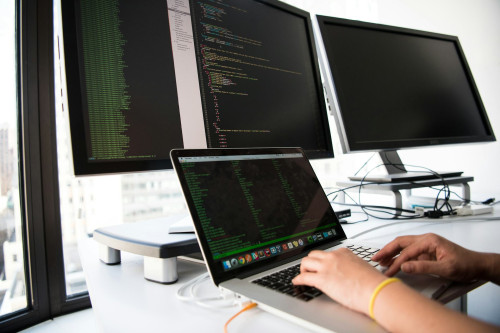
Technology as a Driving Force
Digital technology plays a central role in developing more sustainable products. Sensors, data analytics, and artificial intelligence make it possible to optimize everything from energy use to logistics.
A clear example is smart home appliances that automatically adjust to users’ habits and reduce electricity consumption. In manufacturing, digital twins—virtual replicas of physical products—allow engineers to test and refine designs before production begins. This saves time, materials, and energy, while minimizing waste.
Human-Centered Design
Even as technology advances, products are ultimately made for people. The design of the future is about combining functionality, aesthetics, and responsibility.
A product shouldn’t just be sustainable on paper—it should also be intuitive, durable, and meaningful in everyday life. Many designers are embracing the concept of emotional durability: creating products that users form a connection with and therefore take better care of. This can be achieved through timeless design, high-quality craftsmanship, or opportunities for personalization.
Collaboration Across Industries
Creating sustainable products requires collaboration among engineers, designers, researchers, and consumers. Many companies are now opening their development processes to users through co-creation, where ideas are tested and refined together.
We’re also seeing new partnerships between tech companies and environmental organizations, working side by side to develop solutions that are both commercially viable and ecologically responsible. In the U.S., this trend is supported by growing investment in green innovation and public-private initiatives aimed at reducing waste and emissions.
The Consumer as Co-Creator
Future products won’t just be shaped in labs and design studios—they’ll also be influenced by consumer choices. When we choose products that can be repaired, reused, or shared, we send a clear message to the market: sustainability is a competitive advantage.
The sharing economy, where people rent or share instead of own, is a strong example of this shift. It’s changing not only how we consume but also how products are designed—they must be durable, easy to maintain, and adaptable to multiple users.
A New Era of Product Development
The products of the future will reflect a new mindset: that innovation and responsibility go hand in hand. It’s no longer just about creating something new—it’s about creating something better, for both people and the planet.
When functionality meets environmental responsibility, we get products that don’t just solve problems but help prevent them. This is the direction design is heading—and it will define how we live, produce, and consume in the decades to come.
Læs også: