Creativity as Therapy: Boost Self-Esteem and Find Calm Through Creative Activities

Creativity as Therapy: Boost Self-Esteem and Find Calm Through Creative Activities
In a world that moves at lightning speed, filled with constant notifications, deadlines, and expectations, finding moments of calm can feel nearly impossible. Many people turn to meditation, exercise, or time in nature to restore balance—but there’s another powerful path to mental well-being: creativity. Engaging in creative activities, whether painting, writing, knitting, or building something with your hands, can serve as a form of therapy that nurtures self-esteem and brings peace to the mind.
Creative Activities as a Mental Pause
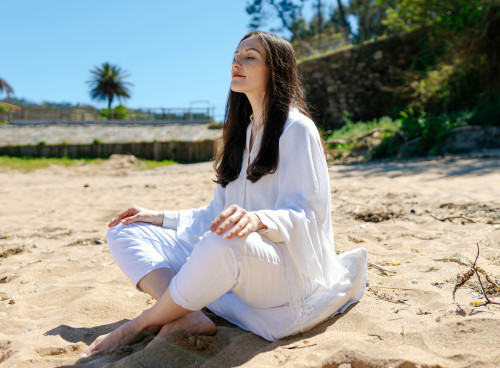
When you immerse yourself in a creative process, your focus shifts away from worries and to-do lists. You become present in the moment—a state similar to meditation. The goal isn’t to produce a masterpiece, but to experience the act of creating itself.
Research has shown that creative activities can lower stress levels, reduce anxiety, and improve mood. This happens in part because the brain releases dopamine when we engage in meaningful creative work. At the same time, creating something tangible gives a sense of accomplishment and control, which can strengthen self-worth.
When Hands Are Busy, the Mind Finds Stillness
There’s something deeply soothing about working with your hands. Shaping clay, brushing paint onto a canvas, or stitching fabric together requires focus and rhythm. Many people find that their thoughts quiet down when their hands are engaged in repetitive, mindful movement.
That’s one reason creative activities are often used in therapeutic settings. Art therapy, music therapy, and crafts as mindfulness practices have become increasingly popular tools in mental health care and stress management. It’s not about being an artist—it’s about giving yourself permission to express what words sometimes can’t capture.
Creativity as a Path to Self-Understanding
Creating gives you a chance to explore parts of yourself that might otherwise stay hidden. Colors, textures, and materials can become a language for emotions that are difficult to articulate. Many people find that creative expression helps them process feelings, gain insight, and experience emotional release.
It can also rebuild confidence. Seeing something you’ve made—no matter how simple—provides a concrete reminder of your ability to create and contribute. That sense of capability can counter feelings of inadequacy that often arise in a demanding world.
How to Get Started
You don’t need expensive supplies or special skills to use creativity as therapy. The key is to find an activity that feels natural and enjoyable for you. Here are a few ideas:
- Drawing and painting – Let go of control and let the colors flow. Focus on expression, not perfection.
- Writing – Journaling, poetry, or short reflections can help you process thoughts and emotions.
- Handcrafts – Knitting, crocheting, or embroidery can calm the mind through rhythm and repetition.
- Music and singing – Playing an instrument or singing can release energy and spark joy.
- Gardening – Working with plants connects you to nature and offers a sense of growth and renewal.
Start small, and allow yourself to be a beginner. The process matters far more than the outcome.
Create Space for Creativity
To truly benefit from creativity as therapy, it helps to make space for it in your daily life. Set aside time in your schedule, create a small corner in your home for your materials, and make it a regular habit to engage in creative work. It could be ten minutes a day or an hour a week—the key is consistency.
When you dedicate time to creativity, you’re also sending yourself an important message: that you are worth investing in. That simple act of self-care can quietly strengthen your sense of self-worth.
Læs også:



A Space for Calm, Play, and Healing
At its heart, creativity is about giving yourself permission to play. It’s about letting go of performance and reconnecting with the joy of making something just for the sake of it. In a culture that often values productivity over presence, this can be a liberating experience.
When you create, you open a space where you can simply be—without judgment, without pressure. In that space, calm and confidence can take root, helping you reconnect with yourself and the world around you.
Læs også: