Bodyweight Strength Training: Effective Exercises Without Equipment

Bodyweight Strength Training: Effective Exercises Without Equipment
You don’t need a gym membership or expensive equipment to build strength and stay fit. With your own body as resistance, you can train effectively anywhere — at home, in the park, or while traveling. Bodyweight training is flexible, functional, and easy to adapt to any fitness level. Here’s a guide to help you get started and make the most of your workouts.
Why Choose Bodyweight Training?
Bodyweight training uses your own weight as resistance instead of dumbbells or machines. This makes your workouts more natural and functional, as you move in ways that mimic everyday activities — standing up, lifting, pushing, and pulling.
There are several key benefits:
- Accessibility: You can train anywhere, anytime, without equipment.
- Low impact: The resistance automatically matches your body’s capabilities.
- Strength and stability: Many exercises engage multiple muscle groups at once.
- Variety: You can easily modify exercises to make them easier or more challenging.
Because of its versatility, bodyweight training is ideal for both beginners and experienced athletes who want a convenient and effective way to stay strong.
Getting Started
Begin by setting realistic goals. Do you want to build strength, improve endurance, or simply move more during the day? Knowing your goals helps you choose the right exercises and structure your workouts.
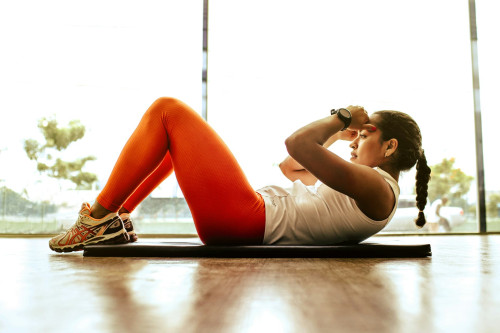
A good starting point is to train two to three times per week for 20–40 minutes. Always warm up first with light movements such as arm circles, leg swings, or jumping jacks to prepare your body for exercise.
When training with bodyweight, focus on control and proper form. Move slowly and deliberately, prioritizing technique over speed. Quality matters more than quantity.
Fundamental Exercises for the Whole Body
Here are some of the most effective exercises you can do without any equipment:
1. Push-Ups
A classic move that strengthens your chest, shoulders, arms, and core. If standard push-ups are too difficult, start on your knees and progress to full push-ups. You can vary your hand placement — narrow, wide, or elevated — to target different muscles.
2. Squats
Squats work your legs and glutes while improving stability. Keep your back straight and lower yourself as if sitting into a chair. For more challenge, try jump squats or single-leg squats (pistol squats).
3. Plank
A powerful core exercise that also strengthens your back and shoulders. Keep your body in a straight line from head to heels, engaging your abs. Start with 20–30 seconds and gradually increase the time. Side planks are great for targeting your obliques.
4. Lunges
Lunges build leg and glute strength while improving balance. Step forward, lower your body, and push back to the starting position. Alternate legs with each rep. Walking lunges add extra intensity.
5. Chair or Bench Dips
Use a sturdy chair or bench to work your triceps and shoulders. Place your hands behind you, bend your elbows, and lower your body in a controlled motion before pressing back up.
6. Mountain Climbers
A dynamic exercise that combines strength and cardio. Start in a plank position and quickly alternate bringing your knees toward your chest. This move raises your heart rate and strengthens your core and legs.
How to Structure a Workout
A simple full-body routine might look like this:
- Squats – 3 sets of 12 reps
- Push-Ups – 3 sets of 10 reps
- Lunges – 3 sets of 10 reps per leg
- Plank – 3 sets of 30 seconds
- Mountain Climbers – 3 sets of 20 seconds
Rest for 30–60 seconds between sets. As you get stronger, increase the number of reps, shorten rest periods, or try more advanced variations.
Læs også:
Making It a Habit
The key to success is consistency. Find a time that fits your schedule — morning, lunch break, or evening — and stick with it. You can also combine bodyweight training with other activities like running, cycling, or yoga for variety.
Remember, progress takes time. Small improvements each week show that you’re moving in the right direction. Listen to your body and allow for rest when needed.
A Stronger Everyday Life Without Equipment
Bodyweight training isn’t just about building muscle — it’s about becoming stronger for everyday life. By training with your own body, you improve balance, coordination, and body awareness. That makes everything from carrying groceries to climbing stairs easier.
With a bit of discipline and creativity, you can build an effective workout routine that requires nothing but yourself — and the motivation to move.
Læs også: